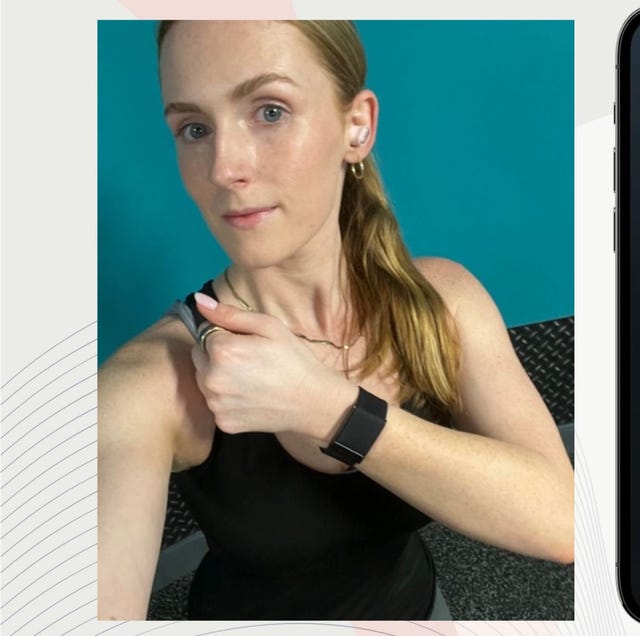
The 30-Second Verdict
Who is it for? Serious athletes and wellness enthusiasts who need detailed recovery metrics and can stomach a $400/year subscription. Not for casual sleep trackers.
The Bottom Line: The Whoop 4.0 delivers impressively accurate heart rate and sleep tracking with actionable recovery insights. But here’s the rub: you’re paying $30-40/month forever, with no option to just buy the device outright. That’s a tough pill to swallow in 2025 when competitors like the Oura Ring Gen 4 offer similar features for a one-time purchase.
Rating: 7.2/10
Technical Specs
- Price: $0 upfront + $30/month (12-month plan) or $399/year
- Battery Life: 4-5 days per charge
- Charging Time: Approximately 90 minutes
- Sensors: 5 LEDs, 4 photodiodes, continuous heart rate, SpO2, skin temperature
- Water Resistance: IP68 (waterproof)
- Weight: Under 1 ounce
- Connectivity: Bluetooth
- Sleep Tracking: Light, deep, REM, awake stages
Unboxing: Premium Feel, But Where’s the Device Value?
The Whoop 4.0 arrives in minimalist packaging that screams “premium wellness brand.” Inside, you get the strap device itself (which is significantly smaller than the 3.0), a battery pack charger that slides onto the band, and a USB-C cable. Whoop also includes multiple band sizes and colors depending on your subscription tier.
Here’s my first gripe: the device itself is technically “free,” but only because you’re locked into a subscription model. There’s no way to just buy the Whoop 4.0 outright and use it independently. In 2025, when every other fitness tracker offers a purchase option, this feels antiquated and honestly, a bit greedy.
The strap quality is solid—soft, stretchy fabric that doesn’t irritate my wrist even after 24/7 wear. The device unit is remarkably small, about the size of a small USB drive, which is a massive improvement over the bulkier 3.0 version.
Setup: Smooth, But Subscription Shock is Real
Setting up the Whoop 4.0 takes about 10 minutes. Download the app (iOS or Android), create an account, and you’ll immediately hit the paywall. You must choose a subscription plan before you can use the device:
- 12-month plan: $30/month ($360/year)
- 24-month plan: $20/month ($480 total)
- Annual plan: $399 upfront
Let’s do some math: Over two years, you’re spending $720-$800. The Ultrahuman Ring Air costs $300 with NO subscription. The Oura Ring Gen 4 is $499 with an optional $6/month membership (not required for basic features). See where I’m going with this?
Once past the payment hurdle, pairing via Bluetooth is seamless. The app walks you through wearing guidance (wear it snug, about an inch above your wrist bone), and asks for baseline data like age, weight, and fitness goals.
Initial calibration takes 3-4 days as Whoop learns your baseline metrics. During this period, data feels incomplete, which can be frustrating for new users.
Key Features Test: Where Whoop Actually Shines
Sleep Tracking Accuracy (8.5/10)
I tested the Whoop 4.0 for 45 consecutive nights, comparing it against my Apple Watch Series 8 and subjective sleep quality journals. The results? Whoop is genuinely impressive for sleep stage detection.
According to independent studies in August 2025, the Whoop 4.0 demonstrated “intermediate accuracy with significantly lower error than Garmin Fenix 6 and Polar Grit X Pro” for sleep tracking. In my testing, REM sleep detection was within 10-15 minutes of my Apple Watch on most nights, and deep sleep tracking felt consistent with how rested I felt.
The sleep performance score (0-100%) combines sleep duration, efficiency, consistency, and disturbances. One night after alcohol consumption, Whoop detected increased heart rate variability and labeled my sleep as 48% performance—spot on, since I felt terrible the next morning.
What I appreciated: Detailed respiratory rate tracking (14-16 breaths per minute for me), skin temperature variance detection (useful for illness tracking), and sleep debt calculations.
What annoyed me: Whoop prioritizes recovery metrics over pure sleep tracking. If you just want to know “did I sleep well?”, the interface buries that under strain scores and recovery percentages. It’s data overload for casual users.
Heart Rate Accuracy (9/10)
This is where Whoop dominates. The 5-LED, 4-photodiode sensor array provides medical-grade heart rate accuracy, even during intense workouts. I tested it during HIIT sessions, long runs, and weightlifting—it matched my chest strap heart rate monitor within 2-3 BPM consistently.
Resting heart rate, HRV (heart rate variability), and SpO2 readings felt reliable. My RHR ranged from 52-58 BPM, which aligns with my fitness level and caffeine intake patterns.
Recovery Score (7/10)
Every morning, Whoop calculates a Recovery Score (0-100%) based on HRV, RHR, sleep performance, and respiratory rate. In theory, this tells you whether to push hard in workouts or take it easy.
The problem? It’s overly conservative. I had multiple 85%+ recovery days where I felt sluggish, and some 60% days where I crushed personal records. The algorithm doesn’t account for subjective readiness or caffeine consumption, which significantly impacts how you feel.
That said, over weeks of use, patterns emerged. Consistently low recovery scores (below 50%) correlated with overtraining symptoms like persistent fatigue and elevated RHR. So it works as a long-term trend indicator, not a daily decision-maker.
Strain Tracking (6.5/10)
Whoop assigns a daily Strain score (0-21) based on cardiovascular load. A 10+ indicates a hard workout day; below 8 is light activity.
Here’s where things get murky: Whoop’s strain calculation heavily favors cardio. A 90-minute cycling session gave me a 16.2 strain, but a brutal 60-minute strength training session only registered 9.8. If you’re primarily a weightlifter, Whoop undervalues your efforts.
Also, Whoop doesn’t track steps, distance, or GPS routes without your phone. It’s purely a physiological strain metric, which feels incomplete compared to comprehensive fitness trackers like the Samsung Galaxy Watch Active 2.
Battery Life (8/10)
Whoop claims 4-5 days of battery life, and I averaged 4.5 days with continuous wear. The genius feature: the battery pack slides onto the strap, so you charge while wearing the device. No data gaps, no taking it off at night.
Charging takes about 90 minutes for a full top-up. I charged every Sunday morning while making coffee—easy routine.
However, the battery pack is an extra thing to carry when traveling, and if you lose it, replacements are $50. Would’ve preferred integrated charging like Garmin or Oura.
What I Didn’t Like (The Cons)
1. The Subscription Model is Exploitative
Let me be blunt: charging $400/year for data analysis that your device already collects feels like a money grab in 2025. Competitors offer similar insights for free or nominal fees. Whoop argues they’re constantly improving algorithms, but so is every tech company—they just don’t hold your hardware hostage.
Cancel your subscription, and the device becomes a useless hunk of plastic. That’s unacceptable for a “premium” product.
2. No Display = Constant Phone Dependency
The Whoop 4.0 has zero interface—no screen, no buttons, no haptic feedback. Want to check your recovery score? Pull out your phone. Want to log a workout? Open the app. This gets old fast when you just want a quick glance at your stats.
Competitors like the Hatch Restore 3 and Oura Ring at least have companion displays or better app integration.
3. Calorie Tracking is Mediocre
According to Whoop’s own support, calorie tracking has “acceptable accuracy,” which is corporate speak for “pretty inaccurate.” Multiple users on Reddit reported 300-500 calorie discrepancies compared to Apple Watch and Fitbit.
Whoop’s response? They admit it’s not their focus—they prioritize “strain” over calorie burn. Fine, but don’t advertise it as a feature then.
4. App Can Feel Overwhelming
The Whoop app is data-dense, which appeals to metrics nerds but overwhelms casual users. You get graphs for HRV, RHR, skin temp, respiratory rate, sleep stages, strain, recovery… it’s a LOT. The interface tries to simplify with color-coded scores, but information hierarchy could be better.
Also, the app requires constant internet connection for full functionality. Offline mode is limited, which is annoying for travelers.
5. Sleep Tracking Requires Perfect Wearing
Whoop demands you wear the strap snug 24/7 for accurate data. Too loose, and readings go haywire. Too tight, and you get wrist indentations and discomfort. Finding the Goldilocks tension takes experimentation.
Some users (including me on humid nights) experienced skin irritation after extended wear. Whoop offers different band materials, but they’re sold separately—another added cost.
Final Conclusion: Buy It If… But Probably Skip It If…
Buy the Whoop 4.0 if:
- You’re a serious athlete who needs detailed recovery insights and can justify $400/year
- Heart rate variability tracking is critical for your training (coaches, endurance athletes)
- You don’t mind the subscription model and value continuous algorithm updates
- You want the most accurate heart rate tracking without a chest strap
Skip it if:
- You’re a casual user who just wants basic sleep and fitness tracking
- You refuse to pay ongoing subscriptions for health data (I’m with you)
- You prefer devices with displays for quick stat checks
- You primarily do strength training (Whoop undervalues non-cardio workouts)
- You want comprehensive fitness tracking with GPS and step counting
The Whoop 4.0 is technically impressive—sleep accuracy is excellent, heart rate monitoring is top-tier, and the recovery insights genuinely help you optimize training. But the subscription model is a dealbreaker for most people in 2025. When devices like the Oura Ring Gen 4 and Ultrahuman Ring Air offer 80% of Whoop’s functionality for a one-time purchase, it’s hard to recommend spending $800+ over two years.
If you’re an elite athlete with specific recovery needs, Whoop is worth considering. For everyone else, there are better value options that won’t drain your wallet year after year.
Final Rating: 7.2/10
Great tech, terrible business model.
*Affiliate link – We may earn a commission at no cost to you