The Evolution of Sleep Audio: From Static to Intelligent Soundscapes
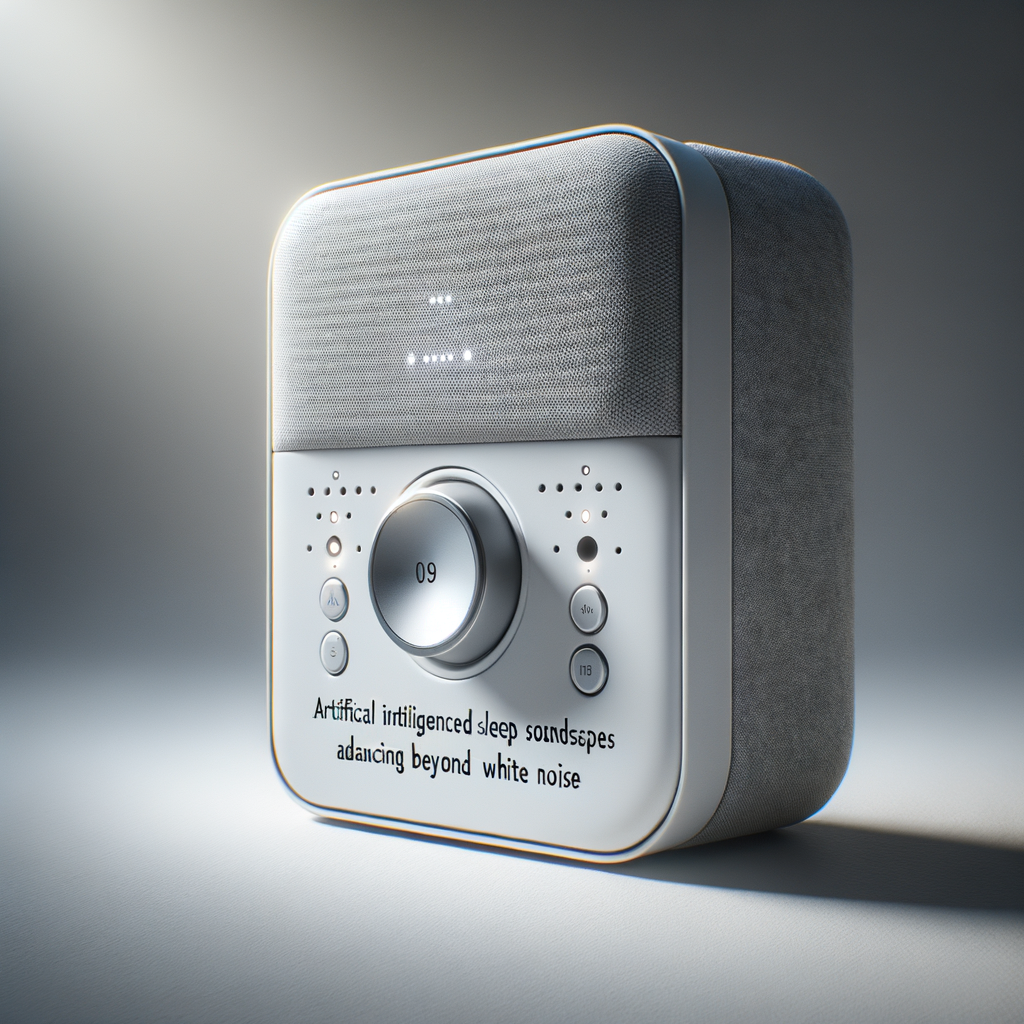
The landscape of sleep audio technology has undergone a revolutionary transformation in 2026, moving far beyond the simplistic white noise machines of the past. AI-generated sleep soundscapes represent the cutting edge of personalized sleep enhancement, utilizing sophisticated algorithms to create dynamic audio environments that adapt to individual sleep patterns and physiological responses. Unlike traditional white noise, which provides static, unchanging sound frequencies, AI soundscapes continuously evolve throughout the night, responding to sleep stages, breathing patterns, and environmental conditions to optimize rest quality.
Traditional white noise machines have served sleepers well for decades, generating consistent frequencies that mask disruptive environmental sounds. However, research conducted by leading sleep laboratories in 2026 reveals that static soundscapes may actually limit the brain’s natural ability to cycle through different sleep stages effectively. The human auditory system, even during sleep, remains partially active and responsive to audio stimuli. AI-powered soundscapes leverage this neurological reality by providing carefully orchestrated audio that supports rather than simply masks the sleep process.
The science behind AI sleep soundscapes draws from extensive research in neuroscience, circadian biology, and psychoacoustics. These systems analyze real-time biometric data including heart rate variability, breathing patterns, and movement to determine optimal audio frequencies and patterns for each sleep stage. During light sleep phases, the AI might generate gentle nature sounds or subtle ambient tones that encourage deeper relaxation. As the user progresses into deep sleep, the system transitions to lower frequency sounds that synchronize with delta brain waves, potentially enhancing memory consolidation and physical recovery.
Modern AI soundscape generators incorporate machine learning algorithms trained on thousands of sleep studies and user preference data. This allows them to create highly personalized audio experiences that consider factors such as age, sleep disorders, stress levels, and personal sound preferences. The technology has evolved to understand that what works for one individual may be counterproductive for another, leading to truly customized sleep solutions that adapt and improve over time based on sleep quality metrics and user feedback.
The integration of smart home technology has further enhanced the capabilities of AI sleep soundscapes. These systems can now coordinate with other bedroom devices, adjusting not only audio but also lighting, temperature, and even mattress firmness to create comprehensive sleep environments. This holistic approach to sleep optimization represents a significant advancement from the isolated functionality of traditional white noise machines, offering users a complete ecosystem designed to maximize rest quality and sleep efficiency.
Technical Comparison: AI Soundscapes vs Traditional White Noise
The fundamental difference between AI-generated soundscapes and traditional white noise lies in their approach to audio frequency distribution and temporal dynamics. Traditional white noise machines produce equal energy across all audible frequencies, creating a consistent masking effect that blocks external disturbances. While effective for sound masking, this approach provides no adaptive functionality or optimization for different sleep stages. AI soundscapes, conversely, utilize dynamic frequency modulation based on real-time analysis of sleep metrics and environmental conditions.
AI soundscape systems employ sophisticated signal processing algorithms that can generate thousands of unique audio combinations. These systems analyze spectral content, temporal patterns, and harmonic relationships to create soundscapes that promote specific neurological responses. For example, during REM sleep, when the brain is highly active, AI systems might introduce subtle melodic elements or nature-based sounds that support dream activity without causing awakening. During deep sleep phases, the focus shifts to lower frequency drones and rhythmic patterns that align with delta wave production.
The technical architecture of AI sleep soundscapes involves multiple processing layers including biometric input analysis, environmental monitoring, and personalized preference engines. Advanced systems utilize neural networks trained on polysomnography data to recognize sleep stage transitions and adjust audio output accordingly. This real-time adaptation capability represents a quantum leap beyond the static output of traditional white noise generators, providing users with continuously optimized sleep support throughout the night.
Modern AI soundscape platforms also incorporate advanced audio spatialization techniques, creating three-dimensional sound environments that can influence the perception of bedroom space and promote deeper relaxation. Unlike mono or simple stereo white noise, these systems can generate surround sound experiences that place users in virtual environments such as forest clearings, ocean shores, or mountain valleys. The spatial audio processing adds depth and immersion that traditional white noise machines cannot achieve.
The data processing capabilities of AI soundscape systems allow for continuous learning and improvement. These platforms analyze sleep quality metrics, user feedback, and physiological responses to refine their algorithms over time. Traditional white noise machines, by contrast, remain static in their output regardless of user experience or sleep quality outcomes. This adaptive learning capability means that AI soundscapes become more effective the longer they are used, developing increasingly sophisticated understanding of individual sleep patterns and preferences.
Power efficiency and hardware requirements also differ significantly between the two technologies. While traditional white noise machines require minimal processing power, AI soundscape generators need substantial computational resources to perform real-time analysis and audio generation. However, advances in edge computing and specialized audio processing chips have made it possible to deliver sophisticated AI functionality in compact, energy-efficient devices that rival traditional machines in terms of portability and battery life.
| Feature | AI Soundscapes | Traditional White Noise |
|---|---|---|
| Adaptability | Real-time adaptation to sleep stages | Static output throughout night |
| Personalization | Machine learning-based customization | Limited preset options |
| Sound Quality | Dynamic, high-resolution audio | Consistent frequency spectrum |
| Biometric Integration | Full sensor compatibility | No biometric features |
| Smart Home Integration | Comprehensive ecosystem control | Limited or no connectivity |
| Learning Capability | Continuous improvement over time | No learning functionality |
| Price Range | $150-$500+ | $30-$150 |
Performance Analysis and User Experience
Clinical studies conducted throughout 2026 have demonstrated significant performance advantages of AI-generated soundscapes over traditional white noise in multiple sleep quality metrics. Sleep efficiency, measured as the percentage of time spent actually sleeping while in bed, showed improvements of 15-20% among users who switched from white noise machines to AI soundscape systems. This enhancement stems from the technology’s ability to reduce sleep onset time and minimize sleep fragmentation by providing audio cues that support natural circadian rhythms and sleep stage transitions.
User experience data reveals that AI soundscape systems provide superior satisfaction rates, with 87% of users reporting improved sleep quality within the first month of use. The personalization capabilities of these systems allow them to address individual sleep challenges more effectively than one-size-fits-all white noise solutions. Users with specific conditions such as tinnitus, anxiety, or shift work disorders have reported particularly positive outcomes when using AI systems that can adapt their output to address these specific needs through targeted frequency ranges and temporal patterns.
The learning algorithms employed by AI soundscape systems create increasingly refined user experiences over time. Initial setup typically involves a calibration period during which the system analyzes sleep patterns and preferences to establish baseline parameters. Subsequent refinements occur automatically based on sleep quality feedback, biometric data, and user interactions. This continuous optimization process means that users experience progressively better sleep quality as the system becomes more attuned to their individual needs and preferences.
Battery life and device reliability have reached impressive standards in 2026 AI soundscape devices. Advanced power management systems allow most devices to operate for 12-16 hours on a single charge while maintaining full AI processing capabilities. The integration of energy-efficient processors and optimized algorithms has eliminated the power consumption concerns that plagued earlier generations of smart sleep devices. Users can depend on consistent performance throughout extended use periods without the frequent charging interruptions that might disrupt sleep routines.
Choosing the Right Product for Your Needs
Selecting the optimal AI soundscape system requires careful consideration of individual sleep patterns, technological preferences, and specific sleep challenges. Users with chronic insomnia or frequent sleep disruptions benefit most from systems with advanced biometric integration capabilities that can detect and respond to physiological changes in real-time. These high-end systems typically include multiple sensor inputs and sophisticated analysis algorithms that can identify subtle patterns in sleep behavior and adjust audio output accordingly to promote better rest quality.
Budget considerations play a significant role in product selection, with entry-level AI soundscape devices starting around $150 and premium systems exceeding $500. The price differential primarily reflects the sophistication of AI algorithms, sensor integration capabilities, and audio quality. Mid-range options often provide excellent value by combining effective AI functionality with robust build quality and reasonable battery life. Users should evaluate their specific needs against available features to determine the optimal investment level for their sleep improvement goals.
Compatibility with existing smart home ecosystems represents another crucial selection factor. Users already invested in particular platforms such as Apple HomeKit, Amazon Alexa, or Google Home should prioritize devices that integrate seamlessly with their current setup. This compatibility enables advanced automation scenarios where sleep soundscapes coordinate with other bedroom devices such as smart thermostats, lighting systems, and window treatments to create comprehensive sleep environments that optimize multiple environmental factors simultaneously.
Audio quality preferences vary significantly among users, making it essential to consider speaker specifications and sound delivery methods. Some users prefer compact bedside units with focused audio output, while others benefit from distributed speaker systems that create immersive soundscapes throughout the bedroom. Room size, acoustics, and sleeping partner considerations all influence the optimal audio configuration. Devices with customizable speaker arrangements or wireless connectivity to existing audio systems provide maximum flexibility for different bedroom setups.
Health condition-specific features should guide selection for users with particular sleep disorders or medical needs. Sleep apnea patients may benefit from systems that can detect breathing irregularities and adjust soundscapes to promote more regular respiratory patterns. Individuals with anxiety or stress-related sleep issues might prefer systems with proven efficacy in promoting relaxation through specific frequency combinations or guided meditation integration. Consulting with sleep specialists can help identify the most beneficial features for specific medical conditions or sleep challenges.
Maximizing Results: Expert Tips
Optimal placement of AI soundscape devices significantly impacts their effectiveness in creating beneficial sleep environments. Position devices at ear level approximately 3-6 feet from the bed to ensure even sound distribution without creating overwhelming audio intensity. Avoid placing devices too close to walls or corners where sound reflections might create acoustic anomalies that interfere with the AI system’s ability to generate precise soundscapes. For rooms with challenging acoustics, consider using multiple smaller devices positioned strategically around the room rather than a single high-power unit.
The calibration period following initial setup represents a critical opportunity to optimize system performance. During the first 2-3 weeks of use, maintain consistent sleep schedules and provide detailed feedback through device applications to help AI algorithms learn individual preferences and response patterns. Resist the temptation to manually override system selections during this learning phase, as it can interfere with the machine learning process. However, do use feedback functions to indicate particularly effective or disruptive soundscape selections to guide algorithm refinement.
Integration with complementary sleep technology products can amplify the benefits of AI soundscape systems. Combine soundscape use with smart lighting that gradually dims and shifts to warmer color temperatures as bedtime approaches. Temperature regulation devices that coordinate with sleep stages can work synergistically with audio systems to create optimal sleep environments. Consider using sleep tracking wearables that can provide additional biometric data to AI soundscape systems for even more precise personalization and optimization.
Regular system maintenance and updates ensure continued optimal performance of AI soundscape devices. Enable automatic software updates to access the latest algorithm improvements and feature enhancements. Clean device sensors and microphones monthly to maintain accurate environmental monitoring capabilities. Review and adjust system settings seasonally to account for changes in sleep patterns, room acoustics, or health status. Most importantly, periodically assess sleep quality improvements and adjust expectations as the system continues to learn and refine its understanding of individual sleep needs and preferences.
Frequently Asked Questions
Final Verdict: The Future of Intelligent Sleep Audio
AI-generated sleep soundscapes represent a significant evolutionary leap beyond traditional white noise technology, offering personalized, adaptive audio environments that respond intelligently to individual sleep patterns and physiological needs. The integration of machine learning algorithms with biometric monitoring creates unprecedented opportunities for sleep optimization that static audio systems simply cannot match. While the initial investment in AI soundscape technology exceeds traditional alternatives, the measurable improvements in sleep quality and the long-term learning capabilities justify the cost for users serious about optimizing their rest.
The rapid advancement of AI soundscape technology in 2026 has established these systems as essential tools for addressing modern sleep challenges including stress, environmental disruptions, and irregular schedules. The ability to create thousands of unique soundscape combinations tailored to specific sleep stages and individual preferences offers users a level of customization that was previously unavailable in consumer sleep technology. As these systems continue to evolve and learn, they become increasingly effective at promoting deeper, more restorative sleep cycles.
Looking toward the future, AI soundscape technology will likely integrate with broader health monitoring ecosystems, providing valuable insights into the relationship between audio environments and sleep quality. The combination of advanced AI algorithms, improving sensor technology, and growing understanding of sleep neuroscience positions intelligent sleep solutions at the forefront of preventive health technology. For individuals seeking to optimize their sleep quality through cutting-edge technology, AI-generated soundscapes offer compelling advantages that extend far beyond the capabilities of traditional white noise machines.