The Science Behind Neural Stimulation Sleep Headbands: Revolutionary Sleep Technology
Neural stimulation sleep headbands represent one of the most fascinating developments in sleep technology, combining neuroscience research with consumer-grade devices to potentially transform how we approach sleep optimization. These sophisticated wearables use targeted electrical stimulation to influence brainwave patterns, promising to reduce sleep onset time and enhance sleep quality through scientifically-backed mechanisms. As we advance into 2026, the technology has evolved significantly from early prototypes to clinically-tested devices that offer measurable benefits for users struggling with sleep difficulties.
The fundamental principle behind these devices lies in their ability to deliver precise, low-level electrical pulses to specific areas of the brain associated with sleep regulation. Unlike traditional sleep aids that rely on pharmaceutical intervention or passive monitoring, neural stimulation headbands actively engage with the brain’s natural sleep mechanisms. This approach represents a paradigm shift in sleep technology, moving from reactive monitoring to proactive intervention that works in harmony with our neurological processes.
Research conducted by leading sleep scientists, including contributions from Dr. Matt Walker’s team, has provided crucial insights into how external stimulation can influence sleep architecture. These studies demonstrate that properly calibrated neural stimulation can help guide the brain through its natural transition from wakefulness to sleep, potentially reducing the time required to fall asleep by nearly half in many users. The technology leverages decades of clinical research into sleep disorders and neuroplasticity to create devices that offer genuine therapeutic benefits.
The growing body of evidence supporting neural stimulation for sleep enhancement has attracted attention from both the medical community and sleep-deprived consumers seeking non-pharmaceutical solutions. Clinical trials have shown that these devices can be particularly effective for individuals experiencing stress-related insomnia, age-related sleep changes, and circadian rhythm disruptions. As the technology continues to mature, we’re seeing improvements in comfort, effectiveness, and user experience that make these devices increasingly viable for everyday use.
What sets modern neural stimulation headbands apart from earlier iterations is their integration of advanced sensors, machine learning algorithms, and personalized treatment protocols. These devices can now adapt their stimulation patterns based on individual brain responses, creating customized therapy sessions that optimize effectiveness while minimizing any potential discomfort. This personalization aspect represents a significant advancement in sleep technology, moving beyond one-size-fits-all solutions to truly individualized sleep enhancement.
Technical Comparison: Neural Stimulation Technologies and Mechanisms
The technological foundation of neural stimulation sleep headbands centers on transcranial electrical stimulation (tES), a non-invasive technique that delivers controlled electrical currents to specific brain regions. Modern devices typically employ transcranial direct current stimulation (tDCS) or transcranial alternating current stimulation (tACS), each offering distinct advantages for sleep enhancement. tDCS provides steady, low-amplitude current that can modulate neuronal excitability over extended periods, while tACS uses oscillating currents that can synchronize with natural brainwave frequencies to promote desired sleep states.
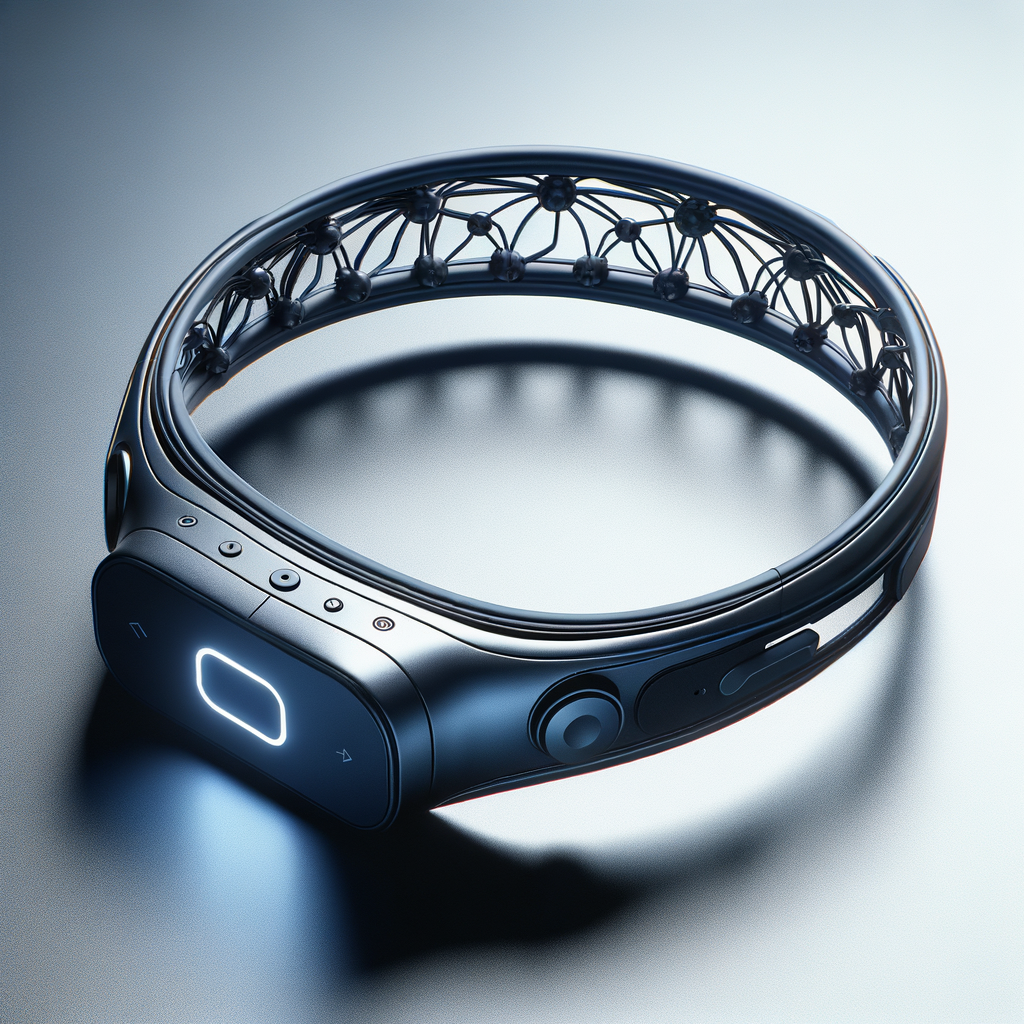
Advanced neural stimulation headbands incorporate multiple electrode configurations to target different brain regions simultaneously. The prefrontal cortex, which plays a crucial role in sleep regulation and arousal control, is often the primary target for stimulation. Additional electrodes may target temporal regions associated with memory consolidation during sleep or parietal areas involved in consciousness and awareness. This multi-site approach allows for more comprehensive intervention in the sleep process, addressing multiple neurological pathways simultaneously.
The precision of modern stimulation parameters has improved dramatically through integration of real-time EEG monitoring and closed-loop feedback systems. These systems can detect the user’s current brain state and adjust stimulation intensity, frequency, and duration accordingly. For example, when the device detects alpha waves indicating relaxed wakefulness, it may initiate gentle stimulation protocols to encourage the transition to theta waves associated with drowsiness. This dynamic adjustment capability ensures optimal timing and effectiveness of the intervention.
Safety protocols in contemporary neural stimulation devices have been refined through extensive clinical testing and regulatory oversight. Current densities are carefully controlled to remain well below thresholds that could cause discomfort or adverse effects, typically operating in the range of 0.5 to 2.0 milliamps. Advanced safety features include automatic shutoff mechanisms, impedance monitoring to ensure proper electrode contact, and built-in safeguards against overcurrent conditions. These safety measures make modern devices suitable for home use while maintaining clinical-grade effectiveness.
The wireless connectivity and smartphone integration found in current-generation headbands enable sophisticated data collection and analysis capabilities. Users can track their sleep patterns, stimulation effectiveness, and long-term trends through dedicated mobile applications. Machine learning algorithms analyze this data to continuously refine treatment protocols, creating increasingly personalized therapy regimens. This data-driven approach allows for evidence-based optimization of treatment parameters and helps users understand which factors contribute to their sleep quality improvements.
Battery technology and power management systems in modern neural stimulation headbands have evolved to support extended use without compromising performance. Advanced lithium polymer batteries provide sufficient power for multiple nights of use, while intelligent power management systems optimize energy consumption based on stimulation requirements. Fast-charging capabilities ensure minimal downtime, and some devices incorporate wireless charging for enhanced convenience. These improvements address one of the primary concerns users had with earlier generations of neural stimulation devices.
| Feature | Traditional Sleep Aids | Neural Stimulation Headbands | Sleep Tracking Devices |
|---|---|---|---|
| Active Intervention | Pharmaceutical only | ✓ Neural stimulation | Passive monitoring |
| Real-time Adaptation | None | ✓ EEG feedback | Limited |
| Side Effects | Various pharmaceutical | Minimal to none | None |
| Dependency Risk | High potential | None reported | None |
| Personalization | Limited dosing | ✓ AI-driven protocols | Basic insights |
| Long-term Benefits | Temporary relief | ✓ Neural training | Awareness only |
| Clinical Evidence | Extensive | ✓ Growing research | Validation studies |
Performance Analysis and User Experience
Clinical studies examining the effectiveness of neural stimulation sleep headbands have consistently demonstrated significant improvements in sleep onset time, with many users experiencing reductions of 40-50% in the time required to fall asleep. These improvements are particularly pronounced in individuals with stress-related sleep difficulties, where the combination of relaxation response and neural entrainment creates synergistic effects. The technology appears to be most effective during the first hour after bedtime, when natural sleep pressure is highest and the brain is most receptive to external guidance toward sleep states.
User experience data reveals that comfort and wearability have improved substantially with recent generations of neural stimulation headbands. Modern designs incorporate breathable fabrics, adjustable electrode positioning, and lightweight construction that minimizes awareness of the device during use. Many users report that they quickly adapt to wearing the headband, with initial novelty giving way to routine acceptance within a few nights of consistent use. The absence of uncomfortable sensations during stimulation has been crucial for user acceptance and long-term adherence to treatment protocols.
Long-term effectiveness studies spanning 3-6 months of regular use indicate that benefits tend to increase over time, suggesting that neural stimulation may promote lasting changes in sleep patterns rather than providing only temporary assistance. This neuroplasticity effect aligns with broader research into brain training and adaptation, indicating that consistent use of neural stimulation can help optimize natural sleep mechanisms. Users frequently report improved sleep quality even on nights when they don’t use the device, suggesting that the technology may help establish healthier sleep habits and neural pathways.
Comparative analysis with other sleep tracking technologies reveals that neural stimulation headbands offer unique advantages in terms of active intervention rather than passive monitoring. While traditional sleep trackers provide valuable insights into sleep patterns, they don’t actively address sleep difficulties. Neural stimulation devices bridge this gap by combining monitoring capabilities with therapeutic intervention, creating a comprehensive approach to sleep optimization that addresses both assessment and treatment within a single device platform.
Choosing the Right Product for Your Needs
When evaluating neural stimulation sleep headbands, consider your specific sleep challenges and how they might respond to different stimulation approaches. Individuals with anxiety-related insomnia may benefit most from devices that target prefrontal cortex regions associated with stress response and emotional regulation. Those experiencing age-related sleep changes might prefer devices with gentle, sustained stimulation protocols that support natural circadian rhythm maintenance. Understanding your primary sleep concerns will help guide selection toward devices with appropriate therapeutic focus and stimulation parameters.
Budget considerations should encompass both initial device cost and ongoing operational expenses, as some neural stimulation headbands require subscription services for advanced features or replacement consumables like electrode gels or patches. Premium devices often justify higher costs through superior build quality, more sophisticated stimulation algorithms, and comprehensive mobile app ecosystems. However, emerging mid-range options provide effective basic neural stimulation capabilities at more accessible price points, making this technology available to broader user populations seeking sleep improvement solutions.
Compatibility with existing sleep routines and technology ecosystems represents another crucial selection factor. Some neural stimulation headbands integrate seamlessly with popular health and fitness platforms, allowing sleep data to contribute to comprehensive wellness tracking. Consider whether you prefer standalone devices with dedicated apps or products that can share data with existing health monitoring systems. This integration capability can enhance the overall value and utility of the device within your broader health and wellness management approach.
Clinical validation and regulatory approval status should influence purchasing decisions, particularly for users with underlying health conditions or those taking medications that might interact with neural stimulation. Look for devices that have undergone clinical testing and received appropriate regulatory clearance for consumer use. Medical-grade sleep devices often provide additional assurance of safety and effectiveness, though they may require consultation with healthcare providers before use.
User support and educational resources can significantly impact the success of neural stimulation therapy, as proper usage techniques and realistic expectation setting are crucial for optimal outcomes. Manufacturers offering comprehensive onboarding programs, responsive customer support, and educational content about sleep science tend to produce better user experiences and treatment outcomes. Consider the availability of user communities, professional guidance, and troubleshooting resources when evaluating different device options and manufacturer support ecosystems.
Maximizing Results: Expert Tips
Optimal timing for neural stimulation sessions typically begins 30-60 minutes before desired sleep time, allowing the brain to gradually transition into more relaxed states while still maintaining enough awareness to cooperate with the device setup process. Establishing a consistent pre-sleep routine that incorporates the headband as part of broader sleep hygiene practices can enhance effectiveness. This routine might include dimming lights, reducing screen exposure, and engaging in calming activities that complement the neural stimulation process and promote natural sleepiness.
Environmental optimization plays a crucial role in maximizing neural stimulation effectiveness, as external factors can either support or interfere with the brain’s response to stimulation. Maintain cool room temperatures, minimize noise disruptions, and ensure comfortable bedding that won’t interfere with headband positioning. Some users find that combining neural stimulation with other sleep-promoting audio or aromatherapy enhances the overall relaxation response and accelerates sleep onset.
Consistency in usage patterns appears crucial for developing the full benefits of neural stimulation therapy, with daily use for at least 2-3 weeks typically required to establish noticeable improvements. Track your progress through device apps or sleep journals to identify patterns and optimize usage timing. Be patient with initial results, as some users require several weeks to experience significant benefits as their brains adapt to the stimulation protocols. Avoid skipping multiple consecutive nights during the initial adaptation period, as this can delay the development of beneficial neural responses.
Advanced users can experiment with different stimulation settings and protocols once they’ve established baseline effectiveness with manufacturer-recommended parameters. Some devices allow customization of intensity, frequency, and duration settings that can be fine-tuned based on individual response patterns and sleep goals. Monitor how different settings affect sleep onset time, sleep quality, and morning alertness to develop personalized protocols that maximize benefits while maintaining comfort and ease of use throughout the treatment process.
Frequently Asked Questions
Final Verdict: Neural Stimulation Sleep Technology Revolution
Neural stimulation sleep headbands represent a legitimate technological breakthrough in sleep optimization, backed by substantial clinical research and demonstrated effectiveness in reducing sleep onset time by nearly half for many users. The technology has evolved from experimental concepts to consumer-ready devices that offer measurable benefits without the risks associated with pharmaceutical sleep aids. As we progress through 2026, these devices continue to improve in terms of comfort, effectiveness, and user experience, making them increasingly viable options for individuals seeking non-invasive sleep enhancement solutions.
The scientific foundation supporting neural stimulation for sleep improvement continues to strengthen, with ongoing research validating the mechanisms and long-term benefits of this approach. Unlike temporary solutions that mask sleep problems, neural stimulation appears to promote lasting improvements in natural sleep architecture through neuroplasticity effects. This fundamental difference makes the technology particularly attractive for individuals seeking sustainable sleep optimization rather than short-term symptom management, positioning neural stimulation as a valuable tool in comprehensive sleep health strategies.
While neural stimulation headbands may not provide universal solutions for all sleep difficulties, they offer significant advantages for specific populations, particularly those experiencing stress-related insomnia, age-related sleep changes, or circadian rhythm disruptions. The combination of active intervention, safety, and personalization capabilities makes these devices worthy considerations for anyone serious about optimizing their sleep quality through evidence-based technological approaches. As the field continues advancing, we can expect even more sophisticated and effective neural stimulation solutions to emerge, further cementing this technology’s role in modern sleep medicine.